
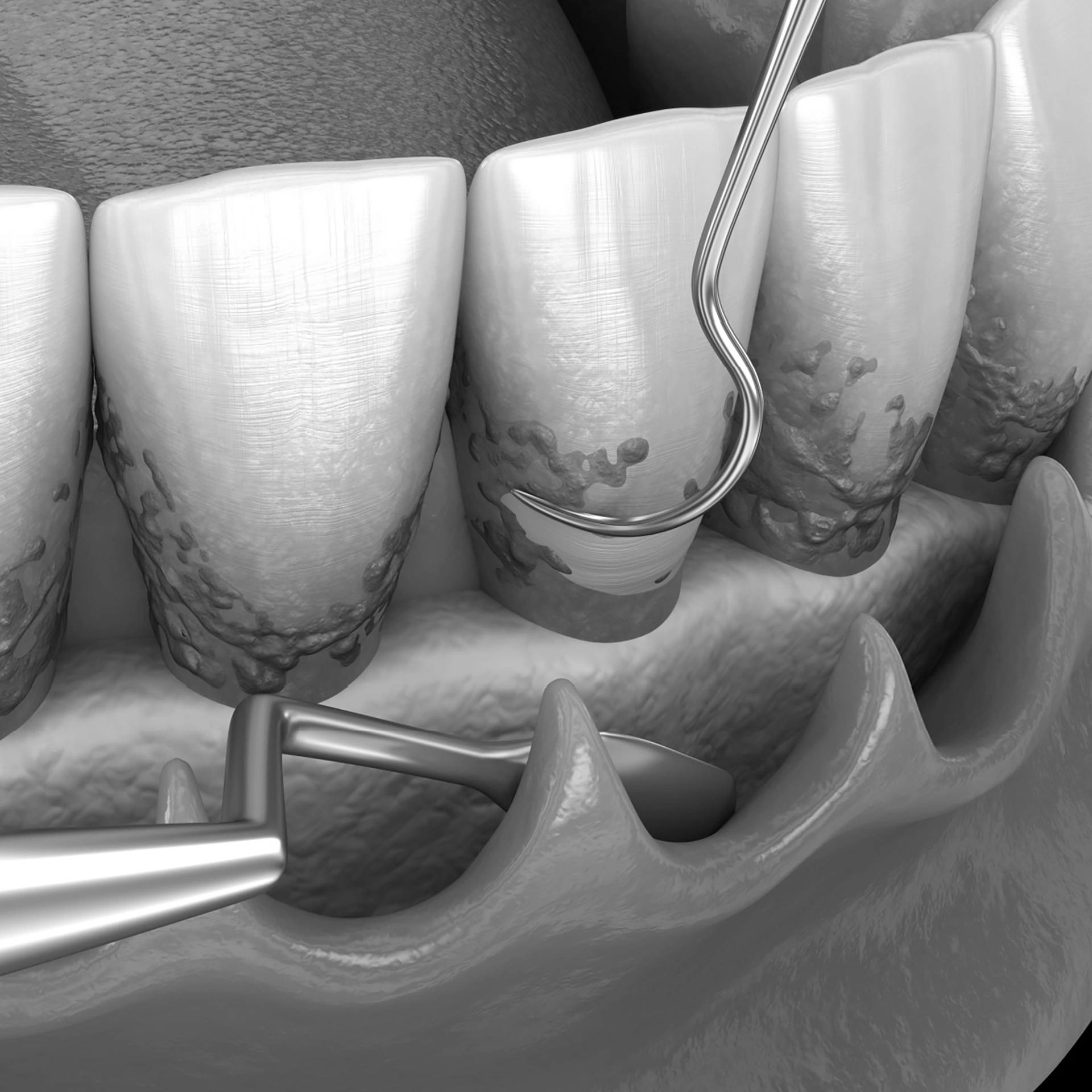
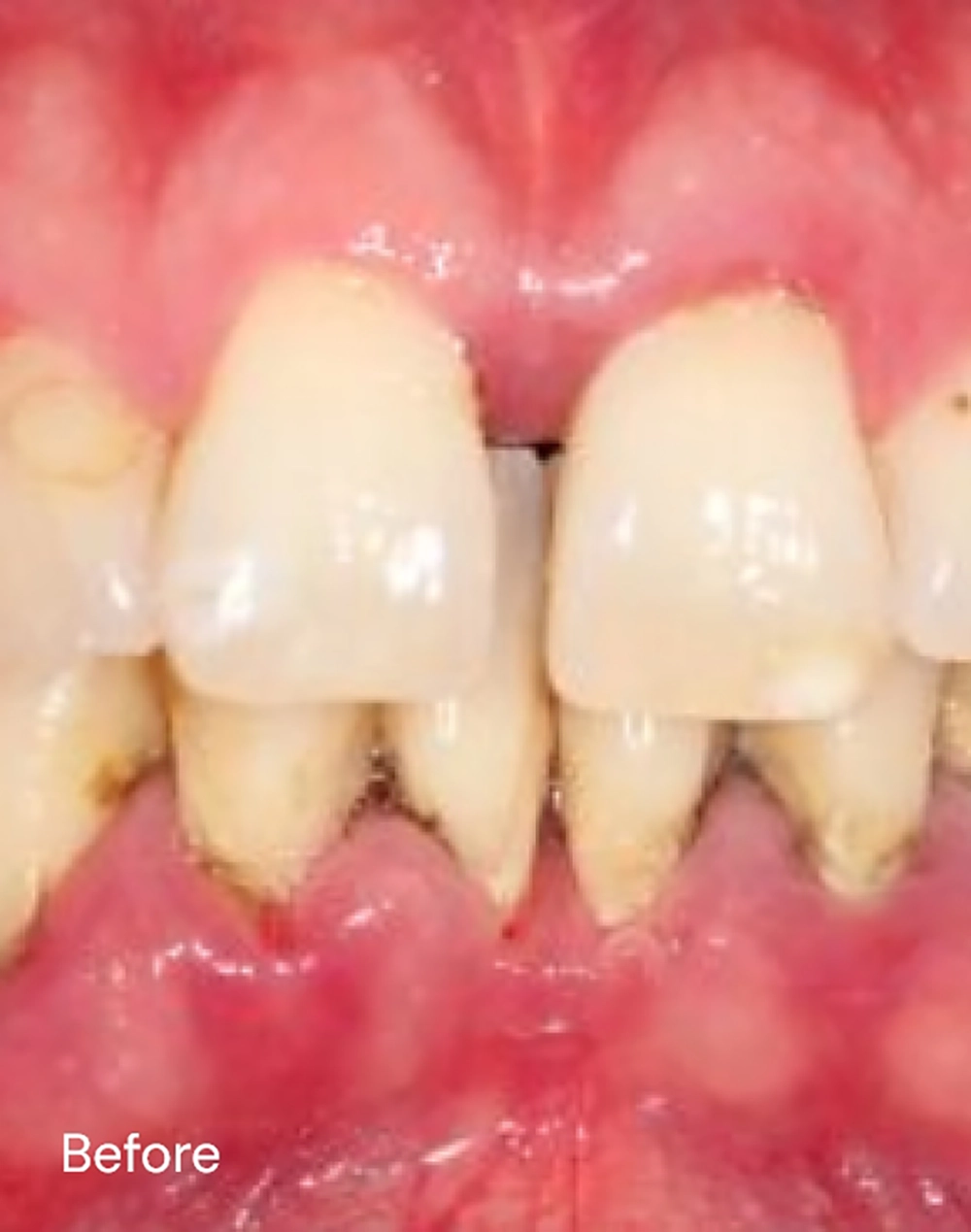

What is Periodontal Disease?
Periodontal disease refers to a bacterial infection targeting the supportive structures of your teeth. Commonly known as gum disease, it ranges in severity from mild gingivitis to advanced periodontitis. Gingivitis is an early, non-destructive form of the disease that causes gum inflammation, while periodontitis involves more serious damage, including bone and soft tissue destruction.
While periodontal disease is common, it is preventable with good oral hygiene practices. Plaque buildup from inadequate brushing and flossing serves as a breeding ground for bacteria, which can inflame the gums and potentially spread to deeper tissues.
Signs and Symptoms
to Watch For
Identifying the signs of periodontal disease early can prevent long-term damage. Look out for the following symptoms:
- Swollen, tender, or red gums
- Bleeding gums, especially while brushing or flossing
- Persistent bad breath (halitosis)
- Receding gums, making teeth appear longer
- Shifting or loose teeth
- Pain when chewing
- Gum abscesses or pockets forming around the teeth
If these symptoms occur, it’s crucial to consult a periodontist to diagnose and manage the condition effectively.
Causes of
Periodontal Disease
The primary cause of periodontal disease is poor oral hygiene, though contributing factors can include:
- Tobacco use
- Diabetes
- Genetic predisposition
- Stress
- Hormonal changes (e.g., during pregnancy)
- Ill-fitting dentures or dental restorations
- Certain medications that reduce saliva flow, impacting oral health
The disease typically begins as gingivitis, an inflammation of the gums caused by plaque buildup. If untreated, the infection can advance to periodontitis, ultimately resulting in gum and bone loss.
Treatment Options for Periodontal Disease
The treatment and management of periodontal disease depend on its severity. Specialists often categorise interventions into two main approaches:
01
Non-Surgical Treatment
This method is ideal for mild to moderate cases and focuses on the following steps:
Plaque and Tartar Removal
The removal of bacterial deposits from tooth and root surfaces (also known as scaling and root planing).
Medications
Antibiotics or antiseptic mouthwash may be prescribed to control bacterial growth.
Improved Oral Hygiene Practices
Patients are guided on proper brushing, flossing, and plaque control techniques to maintain long-term gum health.
02
Surgical Treatment
For severe or advanced periodontal disease, surgical intervention may be necessary:
Periodontal Flap Surgery
Bone Grafting
Restoring lost bone using grafts or growth factors to promote regeneration and stability.
Gum Grafts
A procedure to treat gum recession by covering exposed tooth roots with grafted tissue.
Why Early Intervention Matters
Ignoring the symptoms of periodontal disease can lead to severe complications, such as bone loss and tooth mobility. Untreated gum infections can also result in a dental abscess, a painful condition causing pus to accumulate in the soft tissue. Periodontal care not only halts the disease’s progression but also protects your oral structure and supports overall health.

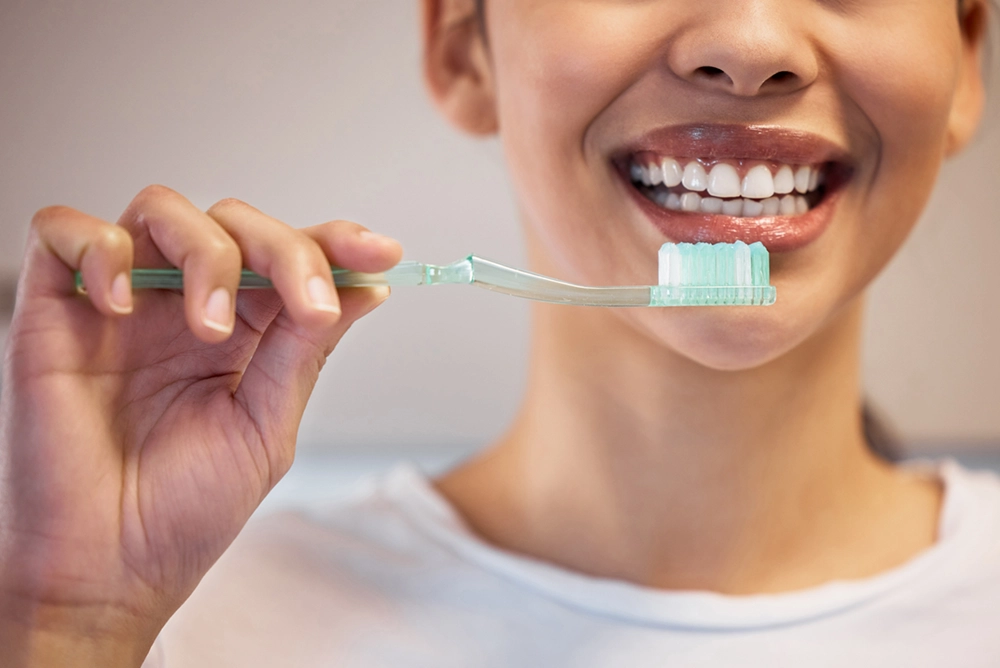
Preventing Periodontal Disease
Preventative care is the most effective way to maintain healthy gums and prevent periodontal infections. Here are some steps to protect your oral health:
- Brush twice daily with fluoride toothpaste
- Floss once daily to remove plaque from between teeth
- Schedule regular dental check-ups and cleanings
- Avoid smoking and maintain a balanced diet
- Replace ill-fitting dental appliances to avoid irritation

Your First Visit
Get prepared with everything you need to know. Explore our FAQs, and find detailed directions and parking info for a seamless experience.

Referring a Patient
Simplify referrals with ease. Use our online or PDF form to connect your patients to expert periodontal care.
Don't Let Periodontal Disease Compromise Your Oral Health!
Take action now and schedule an appointment with our experienced periodontal team. We offer comprehensive evaluations, personalised treatment plans, and state-of-the-art care to help you maintain healthy gums and a beautiful smile. Whether you’re experiencing symptoms or simply due for a check-up, don’t wait. Book your appointment today and take the first step toward optimal periodontal health!